Apr, 15, 2026
Exhibitions and Special InstallationsPhotography
New exhibition at Phoenix Art Museum explores photography’s ability to augment and transform reality
Opening in July 2026, Ecstatic Time: The Alchemy of Photography comprises nearly 100 objects from the Center for Creative Photography collection that exemplify how medium inspires awe, imagination, and innovation
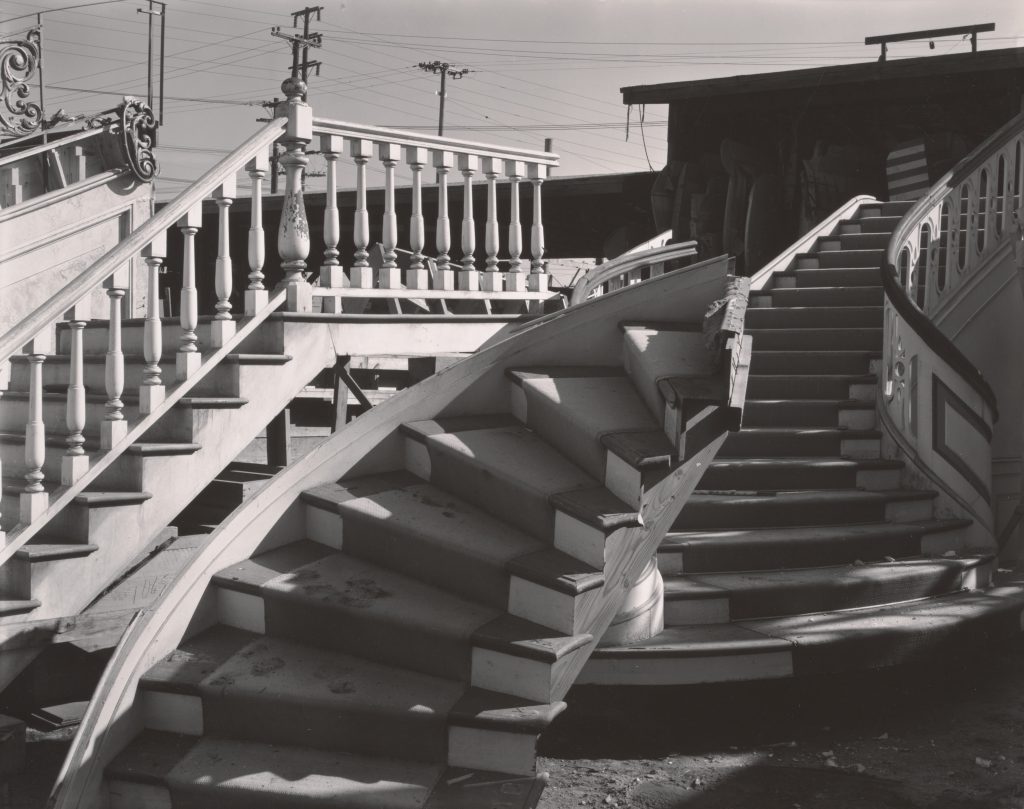
PHOENIX, AZ (April 15, 2026) – This summer, Phoenix Art Museum (PhxArt) presents Ecstatic Time: The Alchemy of Photography, an original exhibition exploring photography’s ability to influence perception. Featuring nearly 100 works from the collection of the University of Arizona’s Center for Creative Photography (CCP) in Tucson, Ecstatic Time presents photographs spanning nearly the entire history of the medium, including still lifes to time-lapse and astronomical imagery, that demonstrate the transformative, experimental, and whimsical nature of photography. The exhibition celebrates the 20-year anniversary of the landmark partnership between Phoenix Art Museum and CCP, established through funding by Mr. and Mrs. John R. Norton to bring vibrant photography exhibitions comprising works from the Center’s unparalleled collections to new and larger audiences. Ecstatic Time: The Alchemy of Photography will be on view at PhxArt from July 29, 2026, through January 3, 2027.
“Phoenix Art Museum is proud to present Ecstatic Time: The Alchemy of Photography in partnership with the Center for Creative Photography as we celebrate the 20th anniversary of the Norton agreement that formalized our shared commitment to engaging our audiences with exemplary works spanning the history of photography,”said Jeremy Mikolajczak, the Museum’sSybil Harrington Director and CEO of Phoenix Art Museum and coordinating curator of the exhibition’s PhxArt presentation. “This enduring collaboration has allowed our institutions to bring extraordinary works from the CCP collection to our community while advancing a deeper understanding of photography as an evolving, experimental, and transformative medium. Ecstatic Time reflects the strength of that partnership, offering audiences the opportunity to reflect on the boundless creative possibilities of the photographic medium.”
Although often credited with capturing reality, photography also has the power to reveal, transform, and defamiliarize its subjects, augmenting reality rather than reproducing it exactly as it appears. Ecstatic Time takes its title from the film theorist Hollis Frampton, who proposed that photographs enable viewers to access what he called “ecstatic time,” an experience distinct from historical or clock time. Derived from the Ancient Greek ékstasis, meaning “to stand outside oneself,” the term reflects how photographs suspend their subjects from the continuous flow of lived experience. The photographs on view encourage viewers to attend more closely, opening access to deeper realities beneath the surface of everyday perception.
“The Center for Creative Photography’s partnership with Phoenix Art Museum is an innovative model for collection sharing, one that allows the CCP to fulfill its mission by engaging audiences beyond our location on the University of Arizona campus in Tucson,” said Todd Tubutis, the Director of the Center for Creative Photography. “We are delighted to celebrate 20 years of a wonderful institutional collaboration with the opening of Ecstatic Time, and look forward to many more engaging photography exhibitions in the Norton Gallery for years to come.”
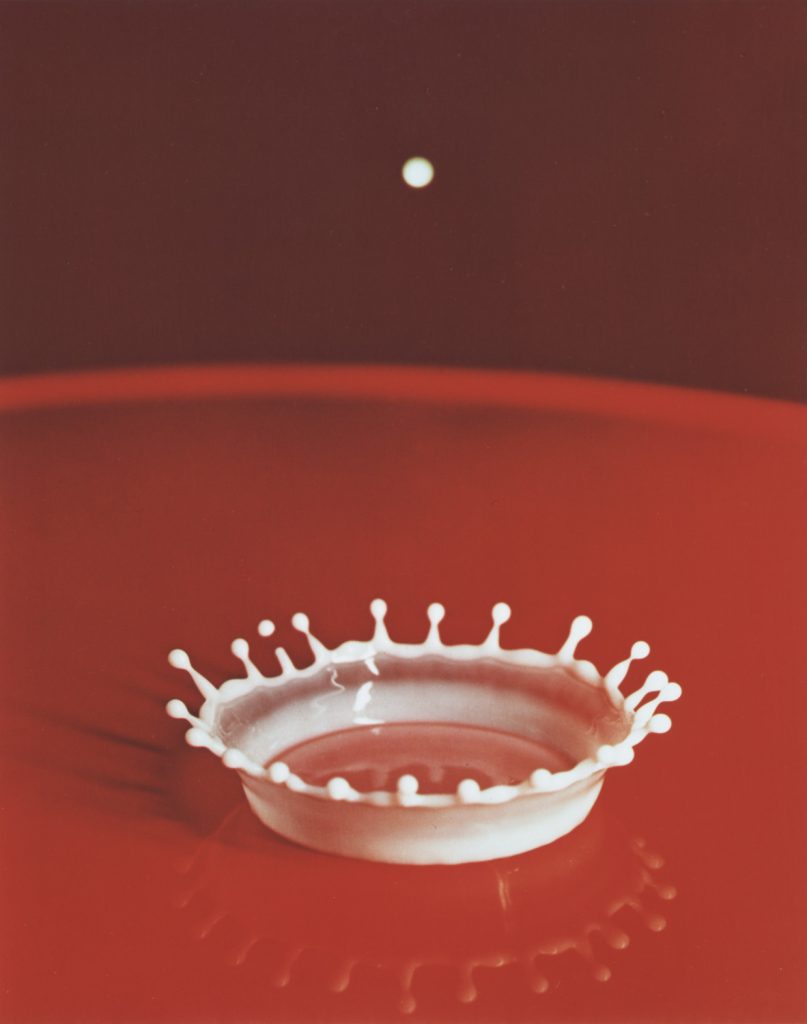
Ecstatic Time features approximately 100 objects from the CCP’s collection, including unexpected treasures by canonical figures such as Ansel Adams and Edward Weston, exemplifying process experimentation and puzzling or playful subject matter and demonstrating the breadth and inventiveness of creative photography. Spanning the full history of the medium from the 19th century to the present, the exhibition places particular emphasis on early 20th-century works, examining photography’s complex relationship with time through examples of flash photography, still lifes, time-lapse imagery and astronomical photographs, including images that capture phenomena invisible to the naked eye. Collectively, the works evoke a cabinet of curiosities, underscoring photography’s capacity for visual alchemy and experimentation.
Ecstatic Time is arranged in four thematic sections.
- Awake and Dreaming brings together surreal and enigmatic 20th-century images, orienting viewers to the transformative nature of camera vision and techniques like flash that freeze moments in time. Artists featured here include Ilse Bing, Manuel Álvarez Bravo, Kozo Miyoshi, and Garry Winogrand.
- The Thing Itself presents a sprawling wall of still lifes that amplify the presence of their subjects, echoing a “cabinet of curiosities.” Visitors will spot pictures by figures from Harold Edgerton and Edward Weston to Masahisa Fukase and Abelardo Morell.
- Out of this World features astronomical imagery, including solar eclipses (including an image of an eclipse captured by Ansel Adams) and an image recorded by NASA’s Mars Pathfinder rover, highlighting how the medium has given us access to faraway or invisible subject matter.
- Incisions in History / Segments of Eternity presents works that forge reverberations between past and present, including conceptual works by artists like Hiroshi Sugimoto and Lew Thomas that examine photography’s relationship to time and a suite of 19th-century images that look back at earlier eras.
“Ecstatic Time brings together works that remind us how endlessly surprising photography can be,” said Emilia Mickevicius, the Norton Family Assistant Curator of Photography at Phoenix Art Museum and the Center for Creative Photography, who devised the exhibition for PhxArt. “My point of departure was a database group of unusual objects I’d been maintaining since starting my position three years ago. Every time I came across a particularly striking picture in the storage vault that startled or delighted me in some way, I’d add it to the group—and eventually it dawned on me: what if this was the basis for an entire show? Rather than offering a chronological survey of the medium, the resulting exhibition invites viewers to encounter an unusual group of photographs that delight, puzzle and disrupt our sense of time and perception. These pictures encourage us to slow down, look closely and experience photography not just as a transparent record of the world, but as a medium capable of wonder, imagination, and experimentation.”
High-resolution photography for Ecstatic Time: The Alchemy of Photography can be downloaded here. Torequest interviews, contact the Communications Office of Phoenix Art Museum at press@phxart.org and kaylee.weyrauch@phxart.org.
About the Exhibition
Ecstatic Time: The Alchemy of Photography is co-organized by Phoenix Art Museum and the Center for Creative Photography. The exhibition is curated by Emilia Mickevicius, PhD, the Norton Family Assistant Curator of Photography. All exhibitions at Phoenix Art Museum are underwritten by the Phoenix Art Museum Exhibition Excellence Fund, founded by The Opatrny Family Foundation with additional major support provided by Joan Cremin.
Admission is free for Museum Members and youth aged 5 and younger. Entrance into the exhibition is included in general admission for the public. Visitors may also enjoy reduced admission to the exhibition during voluntary-donation times on Wednesdays from 3 – 8 pm, made possible by SRP and City of Phoenix. For a full breakdown of general admission prices and hours, see phxart.org/visit/.
About Phoenix Art Museum
Since 1959, Phoenix Art Museum (PhxArt) has engaged millions of visitors with the art of our region and world. Located in Phoenix’s Central Corridor, PhxArt creates spaces of exchange and belonging for all audiences through dynamic exhibitions, collections, and experiences with art. Each year, 300,000 guests on average engage with critically acclaimed national and international exhibitions and the Museum’s collection of more than 21,000 works of American and Western American, Asian, European, Latin American, modern, contemporary art, and fashion design, along with vibrant photography exhibitions made possible through the Museum’s landmark partnership with the Center for Creative Photography at the University of Arizona in Tucson. PhxArt also presents live performances, outstanding examples of global cinema, arts-education programs and workshops, a monthly live-music series, and more for the community. To learn more about Phoenix Art Museum, visit phxart.org, or call 602.257.1880.
About the Center for Creative Photography (CCP):
Founded in 1975, the Center for Creative Photography is the largest institution in North America devoted to the research and exhibition of photography. At the heart of CCP’s holdings are more than 300 archives of photographers, scholars, galleries, and organizations, complemented by an unparalleled collection of some 120,000 fine prints. In addition, CCP focuses on preserving and stewarding its holdings through a robust conservation program and digital imaging unit. The Center owns and manages copyrights for a selection of archive artists and supports licensing and image file delivery to publishers, authors, educators, and filmmakers worldwide. As a unit of Arizona Arts at the University of Arizona, the Center maintains a robust calendar of free exhibitions and programs for the public, serves students and faculty through curricular engagements, and awards several international research fellowships annually.
###